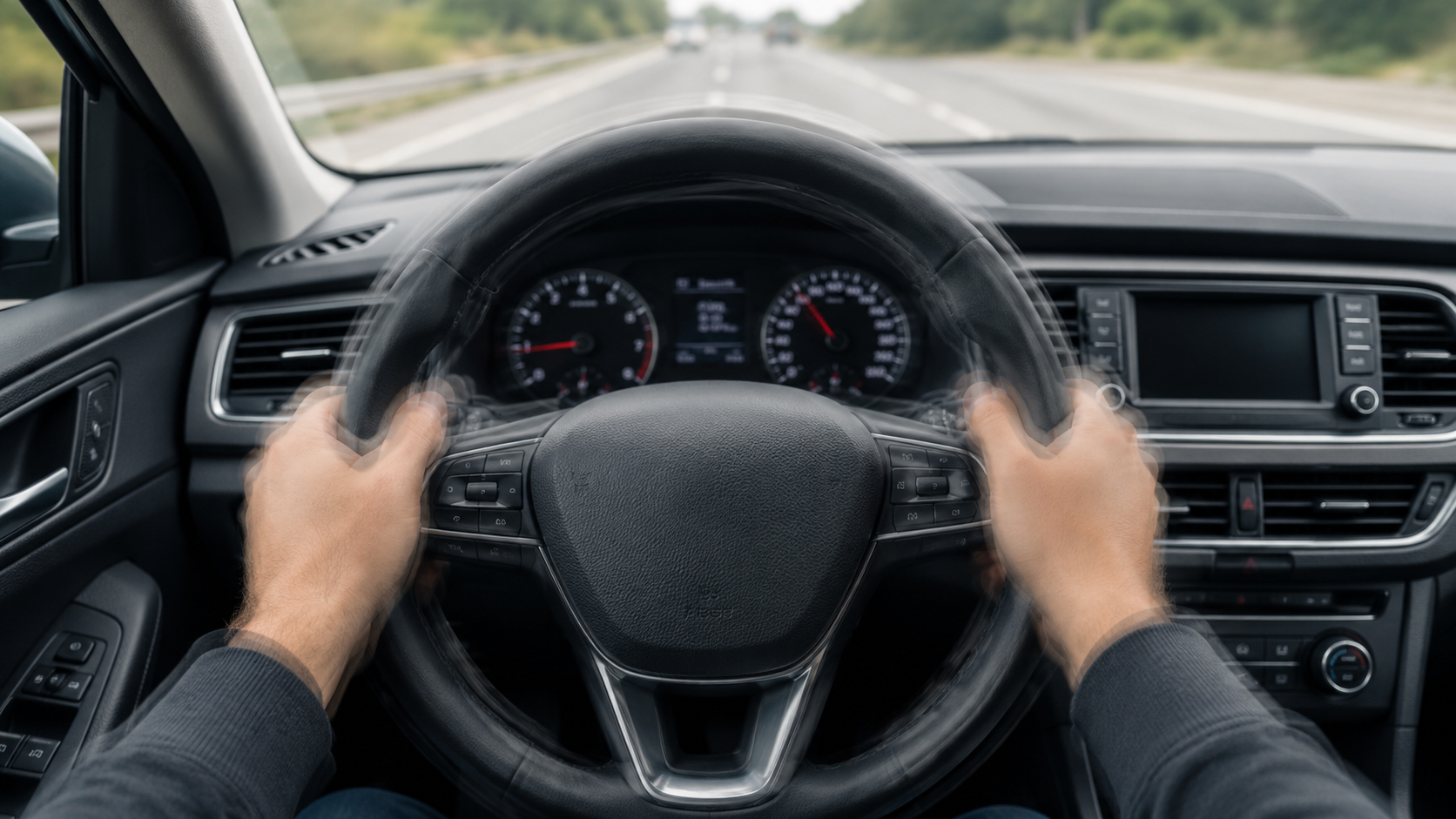
A shaking steering wheel can make even a short drive uncomfortable. More importantly, that vibration may be your vehicle’s way of warning you about a developing tire, brake, steering, or suspension problem.
The timing of the vibration can provide an important clue. Does the steering wheel shake at higher speeds? Does it happen when you press the brakes, accelerate, turn, or drive over uneven pavement? Paying attention to when the problem occurs can help a mechanic narrow down the possible cause.
While a vibration does not automatically mean your vehicle needs a major repair, it should not be ignored. Here are several common reasons your steering wheel may be shaking.
When a vibration begins or becomes stronger at a particular speed, the tires and wheels are often among the first components that should be inspected.
An unbalanced tire and wheel assembly may rotate unevenly, creating a vibration that travels through the suspension and into the steering wheel. The shaking may be mild at lower speeds and become more noticeable once you reach highway speeds. Tire imbalance can also contribute to uneven tread wear and unnecessary stress on steering and suspension components.
Possible causes can include:
Michigan potholes can be especially hard on tires and wheels. Even when a tire does not immediately go flat, a strong impact may damage the tire, bend a wheel, or affect the vehicle’s alignment.
A steering wheel that shakes when you press the brake pedal may indicate a problem within the braking system.
Brake rotors provide the surface against which the brake pads press to slow the vehicle. When the rotor surface becomes uneven, excessively worn, or affected by heat, the driver may feel a pulsing sensation in the brake pedal or a vibration in the steering wheel.
Other possible warning signs include:
Brake vibration should be inspected promptly. A professional brake inspection can determine whether the problem involves the pads, rotors, calipers, brake fluid, or another part of the system.
Hitting a deep pothole or road hazard can affect more than the tire. The impact may disturb the wheel alignment or damage steering and suspension components.
You may notice that the vehicle begins pulling toward one side, the steering wheel no longer sits straight, or the tires start wearing unevenly. In some cases, the vehicle may also develop clunking, rattling, or squeaking noises.
Components that may need to be inspected include:
Mr. Muffler provides front-end services involving alignments, ball joints, bushings, tie rods, tire rotation, and other steering and suspension repairs.
Some vibration is understandable when driving over rough pavement. However, shaking that continues on a relatively smooth road may indicate worn shocks, struts, or steering components.
Shocks and struts help control the movement of your vehicle’s suspension. As these components wear, the tires may have more difficulty maintaining consistent contact with the road. Worn ride-control components can also affect steering stability, braking performance, tire wear, and overall vehicle control.
Other symptoms of worn shocks or struts may include excessive bouncing, nose-diving while braking, body movement during turns, uneven tire wear, or knocking noises when traveling over bumps.
A vibration or unusual sensation that appears primarily while turning may point toward a steering, suspension, or wheel-bearing problem.
You might also hear clicking, clunking, popping, or squeaking noises. The steering may feel loose, unusually heavy, or less responsive than normal. Because several components work together whenever the wheels turn, an in-person inspection is usually needed to identify the exact source.
Continuing to drive with a worn steering component may allow the problem to become worse and can make the vehicle more difficult to control.
Incorrect tire pressure can contribute to poor handling, irregular tire wear, and changes in ride quality. Tire pressure can also drop as temperatures change, which is especially relevant during Michigan’s changing seasons.
Check the pressure when the tires are cold and use the recommended pressure listed on the vehicle information label, which is commonly located inside the driver-side door area. Do not rely on the maximum pressure printed on the tire itself.
If a tire repeatedly loses pressure, it may have a puncture, valve problem, wheel leak, or other damage that requires professional attention.
Arrange an inspection as soon as possible when a vibration is persistent, becomes progressively worse, or begins after striking a pothole or curb.
Find a safe place to stop and avoid continuing to drive when:
Severe vibration, visible tire damage, unusual noises, or changes in steering and braking should always be taken seriously.
A shaking steering wheel is a symptom, not a complete diagnosis. The source could be as straightforward as a wheel that needs balancing or as involved as a worn brake, steering, or suspension component.
Mr. Muffler is a full-service auto repair shop in Westland, Michigan, offering tire services, brake repair, wheel alignment, shocks and struts, and front-end work. Our experienced technicians can inspect your vehicle, explain what is causing the vibration, and recommend the appropriate repair.
Visit Mr. Muffler at 125 S. Wayne Road near Cherry Hill in Westland, or contact us to have your vehicle inspected. Addressing the problem early can help protect your tires, improve ride comfort, and keep your vehicle handling properly.
 Road rage and aggressive driving are serious problems on today’s roads. When drivers become impatient, frustrated, distracted, or careless, it can lead to dangerous situations, including accidents, injuries, and costly vehicle damage. Traffic delays, busy schedules, construction zones, and stressful days can all make driving more frustrating, but staying calm behind the wheel is one of the best ways to protect yourself, your passengers, and everyone else on the road.
The good news is that road rage can often be prevented with a few simple habits. By preparing before you drive, keeping your vehicle in good condition, and making safe choices on the road, you can reduce stress and lower your risk of an accident.
Lack of sleep can affect your mood, reaction time, and patience while driving. When you are tired, you may be more likely to feel annoyed, distracted, or irritated by other drivers. Fatigue can also make it harder to react quickly to sudden stops, lane changes, or unexpected hazards.
Getting enough rest before getting behind the wheel can help you stay alert, focused, and calm. If you know you have a long drive, busy commute, or early appointment, try to rest well the night before so you can drive with a clear mind.
Running late is one of the easiest ways to become frustrated on the road. If you are rushing through your morning routine or trying to make up time while driving, traffic lights, slow drivers, school zones, and construction areas can quickly feel overwhelming.
To reduce stress, give yourself extra time before leaving. Adding even 10 to 15 minutes to your travel schedule can make a big difference. This allows time for traffic, stopping for gas, grabbing coffee, or handling unexpected delays without feeling pressured to speed or drive aggressively.
Stress often shows up physically while driving. You may notice yourself gripping the steering wheel tightly, tensing your shoulders, or sitting stiffly in your seat. These small signs of tension can make frustration worse.
When you feel yourself getting irritated, take a deep breath, loosen your grip on the wheel, and relax your shoulders. Keeping your body calm can help your mind stay calm too. Staying relaxed also helps you maintain better control of your vehicle, especially in heavy traffic or stop-and-go driving.
If another driver is tailgating, speeding, cutting you off, or acting aggressively, the safest response is to stay calm and avoid engaging. Do not make gestures, yell, brake-check, or try to “teach them a lesson.” Instead, give the other driver space and let them pass when it is safe to do so.
Your goal should always be to get to your destination safely, not to win an argument on the road. Letting an aggressive driver move on can help you avoid a more dangerous situation.
Speeding and following too closely can make road rage situations worse. When traffic suddenly slows down, a safe following distance gives you more time to brake and avoid a collision. It also helps reduce the feeling that you need to react instantly to every move another driver makes.
Keeping a steady speed and leaving enough space between vehicles can make your drive smoother, safer, and less stressful.
Vehicle problems can make stressful driving situations even worse. Poor brakes, worn tires, exhaust issues, steering problems, or strange engine noises can increase anxiety behind the wheel and make it harder to respond safely in traffic.
Routine maintenance helps give you confidence every time you drive. Brake inspections, tire checks, oil changes, and general auto repair services can all help your vehicle perform the way it should. If your vehicle does not feel right, it is better to have it inspected before a small problem becomes a bigger repair or a safety concern.
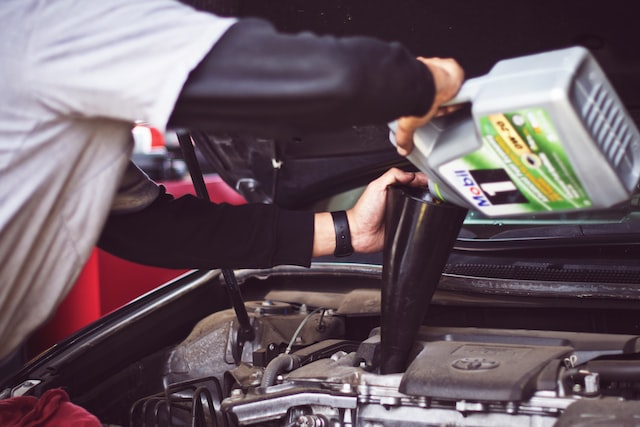
Road rage can lead to collisions, sudden braking, curb damage, and other vehicle issues. Whether you were involved in an aggressive driving incident or your car is simply not driving the way it should, Mr. Muffler is here to help.
Our team offers reliable auto repair services to help get your vehicle back on the road safely. From brake service and exhaust repairs to general auto maintenance, we put our customers first and work hard to provide service you can trust.
If your vehicle needs attention, contact Mr. Muffler today to schedule service and drive with confidence again.
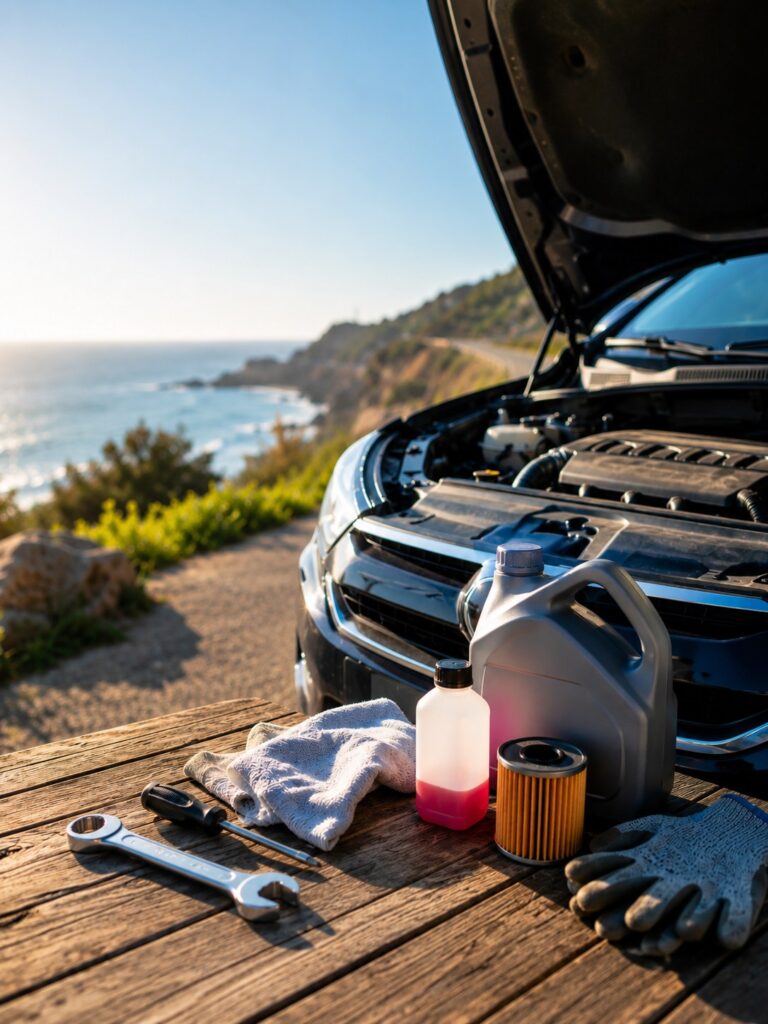 Michigan summers mean weekend road trips to the lake, backyard barbecues, and long, sunny evenings. But while you enjoy the beautiful weather, your vehicle works overtime. Scorching heat, thick humidity, and heavy stop-and-go traffic around Westland, Canton, and Inkster take a heavy toll on your engine and essential systems.
At Mr. Muffler & Brakes, we see the aftermath of neglected summer maintenance every year. Overheating engines, fading brakes, and noisy exhaust systems routinely turn fun summer drives into stressful, expensive headaches.
A little proactive maintenance right now prevents major repairs down the road. We put together this comprehensive summer car care checklist so you can protect your vehicle, save money, and drive with total confidence all season long.
Summer heat waves push your engine to its absolute limits. Your cooling system works constantly to regulate engine temperatures, preventing catastrophic failure. When this system struggles, your car overheats.
Engine coolant degrades over time, losing its ability to absorb heat and prevent internal corrosion. We strongly recommend checking your coolant levels regularly. You should schedule a complete coolant flush if your vehicle has traveled over 30,000 to 50,000 miles since the last service, or roughly every two to five years.
A failing radiator, a cracked hose, or a worn-out water pump can easily leave you stranded on the shoulder of I-275 or Michigan Avenue during the hottest part of the day. To keep you moving, our team performs thorough cooling system inspections as a core part of our full-service maintenance routine. We check the hoses, belts, and fluid condition to ensure your engine stays perfectly chilled.
High temperatures cause motor oil to thin out and break down much faster than usual. When oil loses its viscosity, it fails to lubricate your engine’s moving parts properly. This leads to increased friction, excess heat, and accelerated wear and tear.
Upgrading to a high-quality synthetic oil provides crucial protection when under-hood temperatures reach the triple digits. We proudly offer premium Castrol synthetic oil changes at competitive prices! Every oil change includes a comprehensive 21-point safety inspection to catch potential issues before they become real problems.
We know your time is valuable. That is why we provide quick 10-minute oil changes that respect your schedule without cutting corners. You get full, meticulous service every single time you pull into our bays.
Braking creates immense friction and heat. When you combine that normal operating heat with scorching summer pavement, your braking efficiency can drop significantly. This phenomenon, known as brake fade, makes stopping safely in heavy Westland traffic much more difficult.
Our experienced team specializes in comprehensive brake repairs, pad replacements, and fluid flushes. We thoroughly inspect your rotors, calipers, and brake lines to ensure you can stop safely and immediately when it matters most.
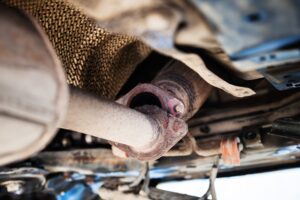
Michigan roads are notoriously hard on vehicles. The punishing combination of deep winter potholes, heavy road salt, and intense summer heat rapidly accelerates rust and physical damage underneath your car.
If your car suddenly sounds like a tractor, or if you notice a strong, unusual exhaust smell, bring it in right away. We handle everything from standard muffler replacements to complex custom exhaust work. Whenever possible, we offer same-day service so you never have to put your life on hold.
Your major systems need attention, but routine top-offs and quick checks keep your daily drives comfortable and safe. Make sure you address these critical areas before your next summer road trip:
Hot asphalt dramatically increases tire wear and raises internal tire pressure, increasing the risk of a dangerous blowout. We rotate your tires to ensure even wear and carefully inspect the tread depth and sidewall condition.
Your engine oil and coolant are not the only fluids that need attention. We check your power steering fluid, transmission fluid, and brake fluid levels to guarantee smooth shifting and responsive handling.
Surprise summer thunderstorms severely reduce visibility. We replace streaking, sun-baked wiper blades so you always have a clear view of the road. Finally, we rigorously test your air conditioning system. Nothing ruins a scenic drive faster than a broken A/C blowing hot air into a sweltering cabin. We check the refrigerant levels and compressor function to keep you cool and comfortable.
You have choices when it comes to auto repair, but experience and honesty matter. We have been proudly family-owned and operated since 1995. For nearly three decades, we have served Wayne County drivers with straightforward, dependable auto service.
When you trust your vehicle to us, you get:
Do not wait for a sudden breakdown on a blistering hot summer afternoon. Take control of your vehicle’s health and drive with complete confidence all season long.
Our team is ready to get your car into peak condition.
Ready to beat the heat?
Request an Appointment Online -> [Click Here!]
You can also call us directly at 734-721-2800 or stop by our shop at Wayne and Cherry Hill today to speak with one of our expert mechanics!
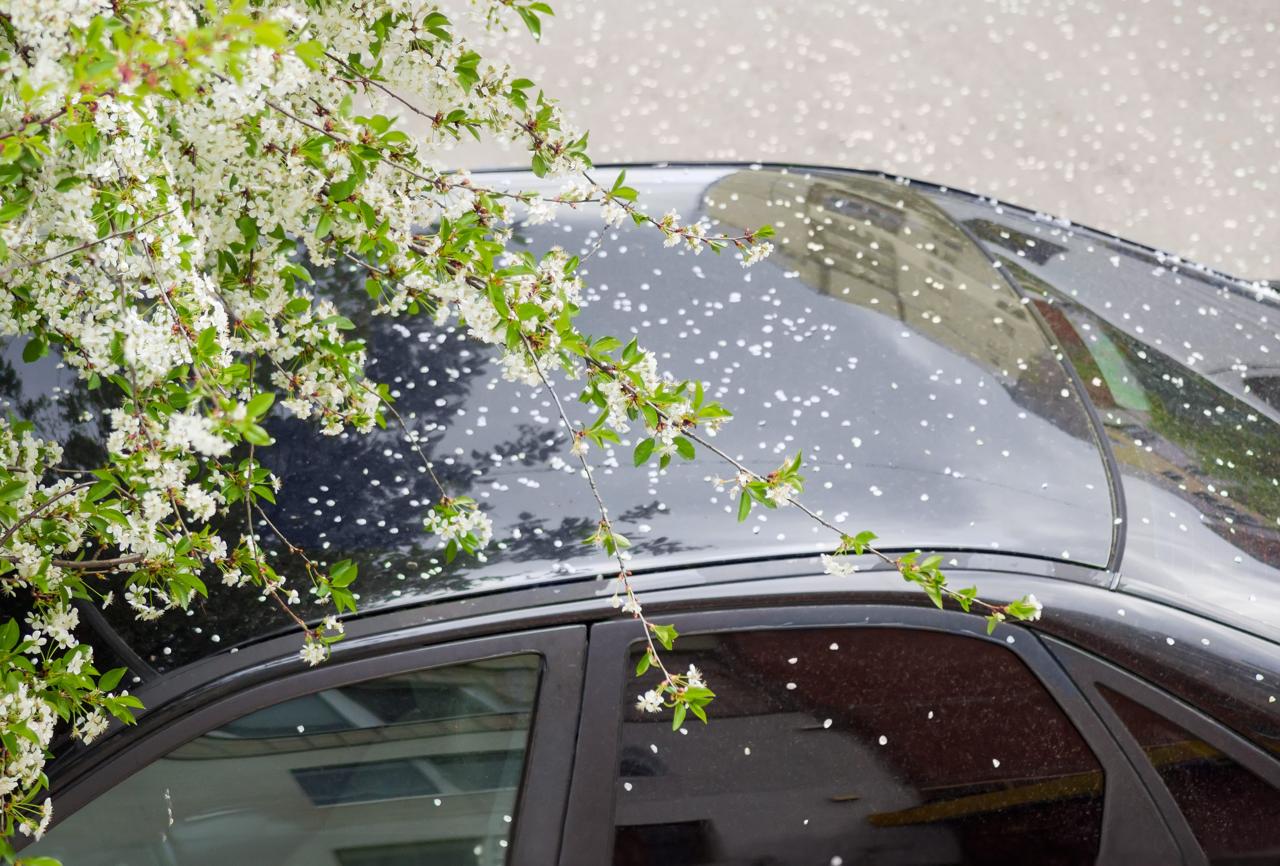
Ah, spring in Michigan! The snow has melted, the days are getting longer, and that first road trip of the season is calling your name. But while you’re soaking in the warmer weather and blooming flowers, your car might still be carrying the scars of a long Michigan winter—especially underneath.
Road salt, slush, potholes, and those brutal freeze-thaw cycles can quietly wreak havoc on your vehicle’s exhaust system. At Mr. Muffler and Brakes Auto Service in Westland, we see it every spring: rusted mufflers, loose hangers, and small holes that can turn into big (and expensive) problems if left unchecked. A quick spring inspection now can save you from noisy rides, poor performance, and costly repairs later.
Here’s why your muffler and exhaust system deserve some springtime TLC—and what you can do to keep your car running smoothly.
Michigan winters are notoriously tough on everything under your car, and your muffler takes the brunt of it. Here’s why acting now is essential:
Rust and Corrosion from Road Salt: Road salt is a silent killer for metal. What starts as surface rust during winter can quickly escalate into holes or cracks as temperatures rise and moisture lingers.
Improved Performance & Fuel Efficiency: A damaged exhaust system forces your engine to work harder, reducing power and wasting gas. Fixing it now means smoother acceleration and better mileage for those spring and summer drives.
Quieter, More Comfortable Rides: No one wants a roaring or rattling muffler ruining the open-window season. A healthy exhaust system keeps your cabin peaceful and your drives enjoyable.
Safety and Emissions Compliance: Exhaust leaks can let harmful fumes into your car’s cabin, while failing components can trigger check-engine lights or even cause you to fail emissions tests.
Don’t wait until the noise (or the smell) gets embarrassing—spring is the perfect time to get ahead of these issues.
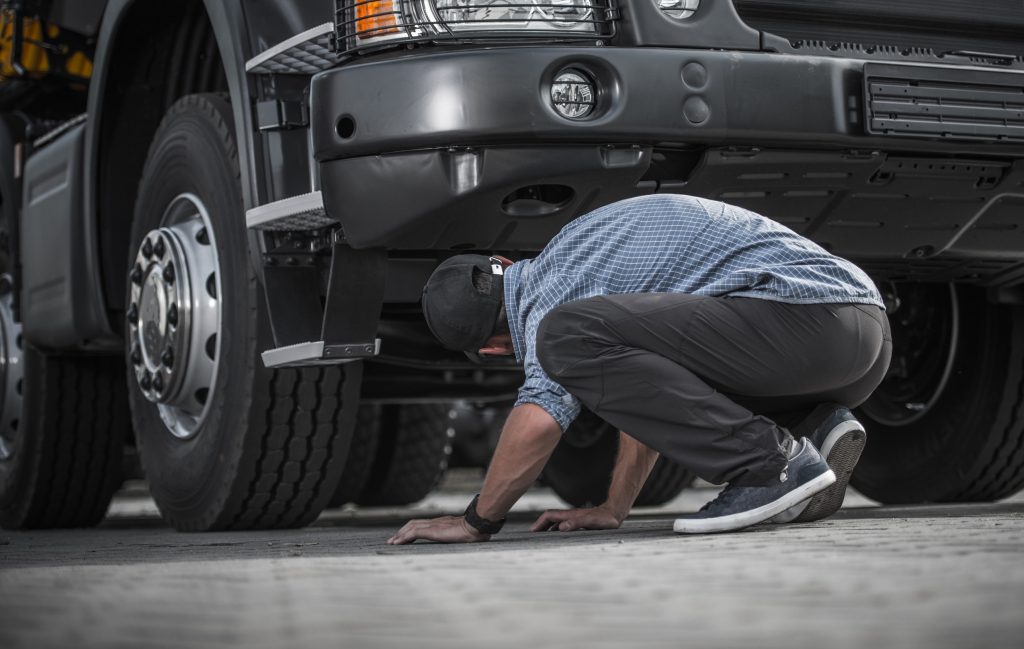
After a harsh Michigan winter, keep an eye (and ear) out for these warning signs:
If you notice any of these, bring your car in for an inspection. Early fixes are always cheaper and easier than waiting for a full-blown repair.
While you’re here for an exhaust check, why not tackle other seasonal maintenance tasks? At Mr. Muffler, we offer a 21-point safety inspection with every oil change to ensure your car is ready for the road. Here are a few spring essentials to consider:
Coolant Flush & Radiator Service: Prepare your car for hot summer days with a fresh coolant flush.
A/C System Check and Recharge: Don’t wait until the first 90° day to find out your air conditioning isn’t working.
Brake Inspection: Winter potholes can wreak havoc on your brake pads and rotors.
Tire Rotation and Alignment: After months of navigating icy roads and winter ruts, your tires and alignment could use some attention.
Cabin and Engine Air Filter Replacement: Breathe easier by replacing filters clogged with winter debris.
Whether it’s a simple muffler patch, a custom exhaust upgrade, or a full spring tune-up, we’ve got you covered.
Since 1995, Mr. Muffler and Brakes Auto Service has been the trusted name for reliable auto repairs in Westland and across Wayne County. Here’s why drivers keep coming back:
You’ll be in and out quickly, with friendly service you can trust.
Don’t let winter damage sneak up on you. Whether you need a quick inspection or a full repair, Mr. Muffler and Brakes in Westland is here to help. We’ll get your car road-trip ready so you can enjoy the season worry-free.
Contact us today or request an appointment online—because when it comes to your muffler, you deserve the experts (it’s literally in our name!).
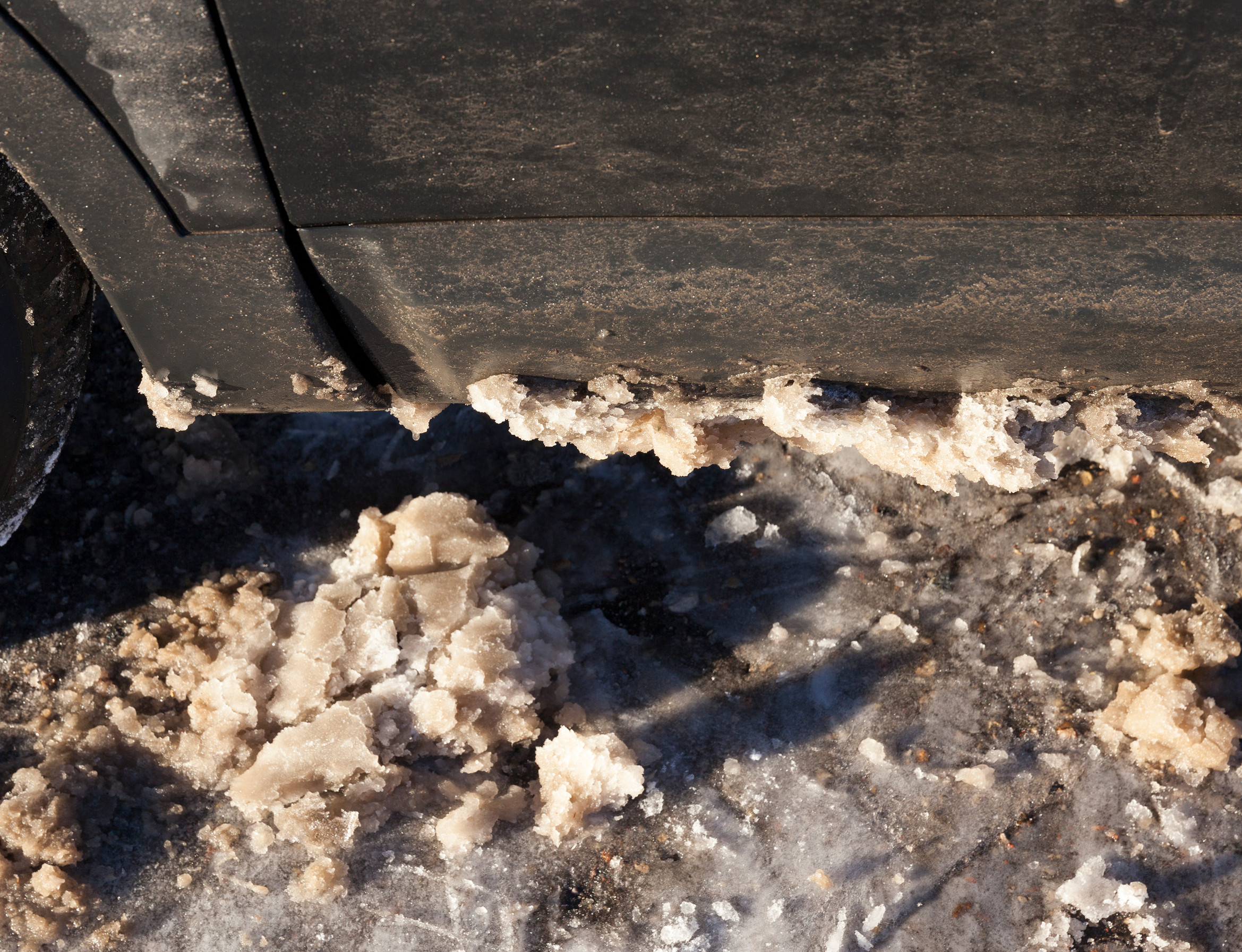
Ah, spring in Michigan. The snow is melting, the days are getting longer, and those brutal winter drives are finally behind us. But while you’re enjoying the warmer weather, your car might be silently crying for help.
Months of road salt, slush, potholes, and freeze-thaw cycles have taken a toll on your vehicle. At Mr. Muffler & Brakes in Westland, we see it every year—rusty exhaust systems, squealing brakes, and undercarriages that look like they’ve been through a war zone.
The good news? A little proactive spring car care now can save you hundreds (or even thousands) in repairs later. Here’s what Michigan winters do to your car—and how to fight back.
Every winter, the Michigan Department of Transportation spreads about 2 million tons of road salt to keep us safe on icy roads. That’s roughly 400 pounds per person in the state! While it saves lives, it wreaks havoc on vehicles.
Salt is a corrosive beast. When it mixes with moisture (hello, Michigan slush), it creates an electrochemical reaction that eats through metal like acid. Here’s what gets hit the hardest:
Nationwide, road salt costs drivers billions in repairs annually—and Michigan is ground zero.
Road salt isn’t the only culprit. Michigan’s legendary freeze-thaw cycle turns roads into moonscapes. One good pothole can:
If your car has been pulling to one side, making clunking noises, or feeling bouncy, spring is the time to fix it before it gets worse.
Don’t wait until the first 80-degree day. Here’s what every Westland and Wayne County driver should do right now:
Wash Away the Winter
Inspect the Undercarriage
Check Key Systems
Schedule Essential Services
Waiting until summer means longer shop wait times and hotter garages. Plus, fixing issues now prevents breakdowns during your summer road trips to the UP or Traverse City.
At Mr. Muffler & Brakes, we’re a family-owned shop that’s been serving Westland, Livonia, Canton, and the rest of Wayne County for over 30 years. We know Michigan cars because we drive them too.
Don’t let winter win.
Call us today at (734) 729-0000 or stop by our shop at 35100 Ford Rd, Westland, MI 48185.
We’ll give your vehicle the thorough spring checkup it deserves—and quote any needed repairs on the spot. No pressure, just honest advice from mechanics who actually care.
Your car survived another Michigan winter. Now let’s make sure it thrives through the rest of the year!